Award Winning NPCs

Introduction
We all know that Non-Player Characters, also called NPCs, Cast, Actor, Crew, etc. depending on your game, are the backbone of any LARP. They fill the world, drive the story, and create the moments players remember long after the event ends. But not all NPCs are created equal. Some fade into the background, while others become legends that players talk about for years. Some become so memorable that players talk about them years later. A few are even recognized by their community through honors such as the American LARP Awards. What makes those character stand out?
The difference isn’t just costume or screen time; it’s how those NPCs are designed, supported, and brought to life.
1. Start With a Clear Purpose
Every NPC should exist for a reason. Whether they’re delivering information, creating conflict, or adding flavor to the setting, their role should be intentional.
Before the event, define what each NPC is meant to accomplish. Are they a quest giver? A recurring rival? A one-time encounter meant to set the tone? When staff understand the purpose behind a role, they can play it with more confidence and consistency.
Even small roles benefit from this approach. A tavern keeper with a clear personality and a bit of backstory can add more to the world than a dozen unnamed extras.
Don’t confuse an NPCs plot function with the character’s purpose. “Deliver a map” is the plot team’s purpose for the NPC. “Convince these adventurers that I’m trustworthy enough to protect my family’s secret” is the NPC’s purpose. The second gives the person playing the role something to act out.
2. Give Them Something To Work With
NPCs don’t need pages of lore, but they do need enough to feel real.
Provide a few key details: motivation, attitude, and a hook. What does this character want? How do they approach others? What makes them memorable? These simple elements give NPCs direction without overwhelming them. Oh yeah, and a name. You’d be surprised how often NPCs are given a role without a name. You want to see an NPC scramble, ask them their character’s name on the fly.
It’s easy to give them a quick contradiction or complication. A frightening mercenary who is embarrassingly fond of kittens. A pompous noble who wants ordinary people to like him. A healer who hates the sight of blood. The more of this you give your newer NPCs, the more they’ll learn to do it themselves to add simple depth.
It also helps to give NPCs flexibility. Players are unpredictable, and rigid scripts can fall apart quickly. Instead, focus on goals and let the interaction evolve naturally.
If a character should already know/recognize the NPC, help your NPCs pull it off naturally. For instance, let’s say I’m playing someone’s in-game brother who they know well. Obviously, when they see me, they won’t know me as their brother. In cases like those, I make it a point to first approach another player, tell them my character’s name, and how I’m related to the character I’m looking for. They’ll run off, find my targeted character, make the connection for me and suddenly I have multiple characters already engaged before I even start working on my purpose.
3. Encourage Performance, Not Perfection
Not every NPC is a trained actor, and that’s okay. What matters most is commitment. Encourage NPCs to lean into their roles, use body language, and stay engaged with players. A consistent accent or mannerism can go a long way in making a character feel distinct.
Some good examples, speak quietly, never quite make eye contact, fiddle with a ring, or continually polish their glasses. These are easy to reproduce.
At the same time, avoid putting too much pressure on performance. NPCs should feel supported, not judged. When staff create an environment where it’s okay to experiment, characters tend to become more dynamic and memorable.
4. Make Interactions Matter
Players remember how NPCs make them feel. A conversation can be just as impactful as a major battle, more so if it carries weight and a connection to the players’ characters. Give NPCs the ability to react to player choices, ask questions, and build on what’s happening in the moment.
Whenever possible, let NPCs carry information forward. If a player helps a character early in the event, have that NPC acknowledge it later, even in a small way. These callbacks make the world feel connected and responsive.
5. Use Recurring Characters Strategically
Bringing back NPCs across events is one of the most effective ways to build immersion.
Familiar faces create continuity and give players something to latch onto. A merchant who remembers past deals, a rival who returns with a grudge, or an ally who grows alongside the players; all of these add depth to your game.
That said, use recurring NPCs with intention. Not every character needs to come back, and overuse can make the world feel smaller. Choose the ones that resonate and build on them.
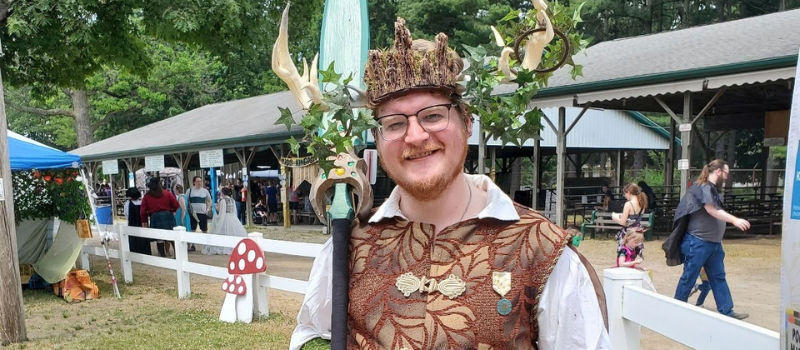
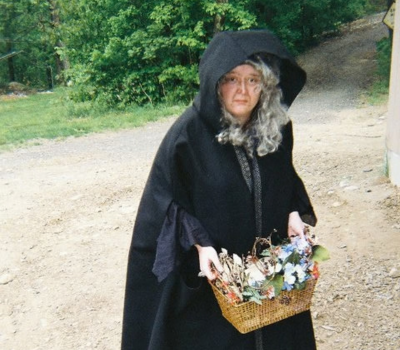
If you want instant recognition, make sure your NPCs wear distinctive costume pieces. Hats, wigs, makeup, accessories, weapons, and clothing all help make a character identifiable on sight to players.

6. Support Your NPC Team
Behind every great NPC is a team that makes it possible.
Provide clear briefings before the event so NPCs know their roles and expectations. During the game, make sure they have a place to regroup, ask questions, and adjust as needed. After the event, gather feedback; NPCs often have valuable insights into how scenes played out.
It’s also important to take care of your volunteers. Rotate roles when possible, offer breaks, and recognize their contributions. When NPCs feel valued, they’re more likely to bring energy and creativity to their roles.
Most importantly, let the person playing the NPC contribute ideas. Once someone has portrayed a character, they may understand that character better the person who originally wrote the role.
7. Balance Spotlight and Support
Not every NPC needs to be the center of attention.
Some of the most important roles are the ones that support the broader experience, guards who maintain presence, villagers who fill out the world, or background characters who make scenes feel alive.
At the same time, give standout moments to key NPCs. A well-timed entrance, a dramatic reveal, or a meaningful interaction can turn a simple character into a fan favorite.
The key is balance. A world full of “main characters” can feel chaotic, while a world with none can feel flat.
Closing
Great NPCs don’t just exist in your game, they shape it. When you give them purpose, support, and room to grow, they become more than background roles. They become part of the story your players are telling, and part of the reason they come back to tell it again.
And when players start asking, “Will that character be back next event?”, you’ll know you’re doing it right.
Call to Action
If you are a game owner or are thinking about starting a game, let LARP Portal simplify your administrative processes and give you and your players more time for LARPing. Contact us at demo@larportal.com today for a free demo.
If you would like to market your LARP and be listed in our Find a LARP search tool, contact us at support@larportal.com. This is a great tool for anyone who is searching for LARPs near me.
Latest Blogs



.png )




.png )