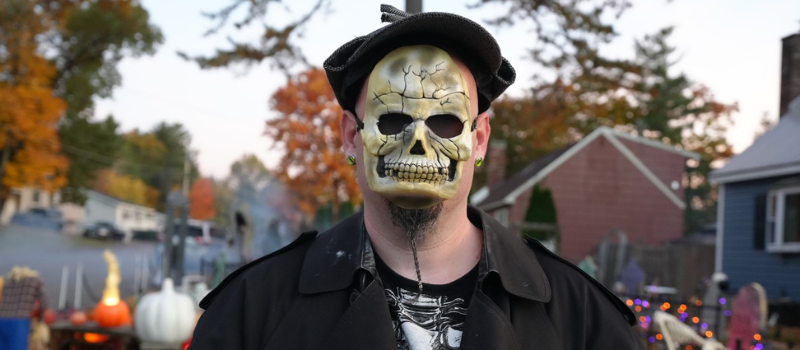
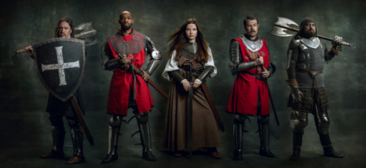
LARPs and Haunted Houses-Bridging the Worlds With Storylines and Plot
Introduction
Walk into a well-designed haunted attraction and you’ll notice something right away—it’s not just about jump scares. The best ones tell a story. As you move from room to room, you piece together what happened, who lived there, and why something went terribly wrong.
That structure should feel familiar.
At their core, storyline-driven haunted houses and LARP modules are built on the same foundation: atmosphere, pacing, and player (or guest) experience. The difference isn’t in what they are, it’s in how the audience interacts with them.
Let’s take a closer look using a shared setting: Bloodstone Keep, a crumbling castle steeped in history, secrets, and something darker beneath the surface.
A Shared Foundation: Environment Tells the Story
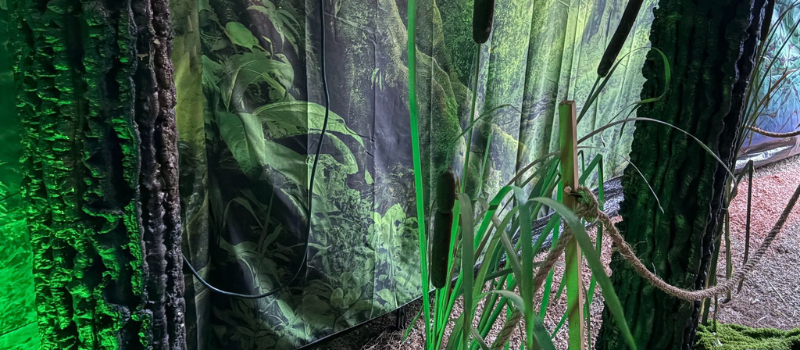
Bloodstone Keep – The Setting
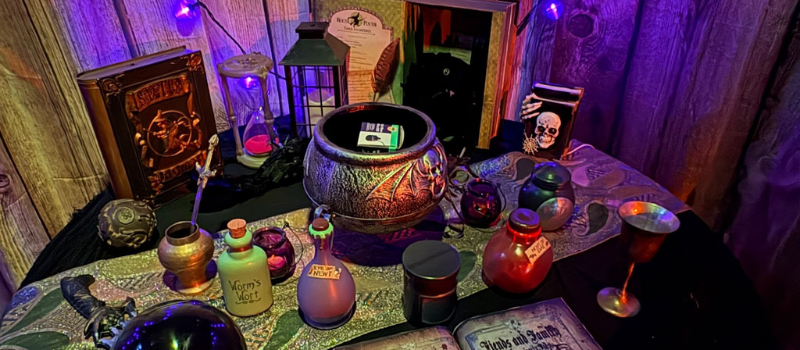
In a haunted house, each room is designed to convey a piece of the narrative. A shattered dining hall hints at a violent end. A dungeon filled with chains suggests cruelty long before the guests arrive.
In a LARP module, the same principle applies, but players interact with it more deeply. Bloodstains aren’t just decoration; they might tie to a past event players can investigate. A throne room isn’t just eerie, it may be the site of a betrayal players can uncover or reenact.
In both formats, the environment does the heavy lifting. The difference is that in LARP, players can push back—asking questions, searching for clues, and changing how the story unfolds.
Characters As Story Drivers
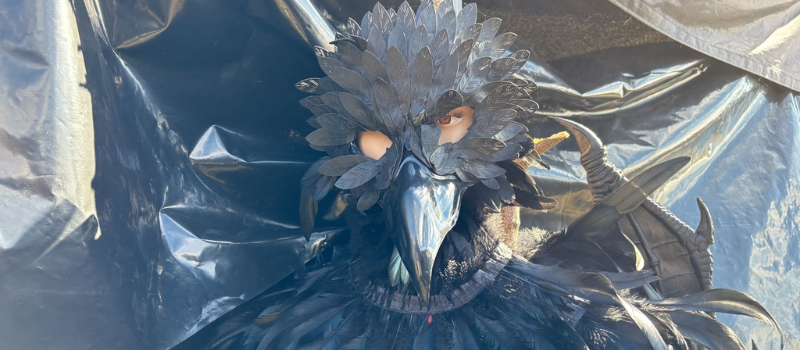
A haunted house relies on actors to bring the story to life. They appear at key moments, deliver lines, and create emotional beats—fear, tension, surprise.
In Bloodstone Keep, a haunted attraction might feature:
- The fallen lord, cursed to roam the halls
- A servant who warns guests to turn back
- A creature lurking in the depths
These are controlled encounters. The actors hit their marks, guide the flow, and ensure every group experiences the same core story.
In a LARP module, those same roles become NPCs with agency:
- The fallen lord might bargain with players, or manipulate them
- The servant could become an ally or a victim
- The creature might be defeated, avoided, or even unleashed
The story shifts from presentation to interaction. NPCs aren’t just there to perform, they’re there to respond.
Pacing the Experience
Haunted houses are tightly paced. Groups move from scene to scene, with timing controlled to maximize impact. Each moment is designed to land in a specific way.
A Bloodstone Keep attraction might guide guests through:
- Entry into the abandoned courtyard
- Discovery of the cursed throne room
- A descent into the dungeon
- A final confrontation or escape
In a LARP module, the same beats exist, but they’re flexible.
Players might skip the throne room entirely, spend an hour investigating the dungeon, or trigger the final confrontation early. Staff guides the pacing through NPC actions, clues, and evolving events rather than fixed timing.
The goal is similar, build tension and deliver a satisfying arc, but the path is no longer controlled.
Themes That Carry Across
Both haunted houses and LARP modules rely on strong, recognizable themes. Bloodstone Keep works because it taps into familiar elements:
- Corruption of power – a lord who fell too far
- Tragedy – a family or court destroyed from within
- Mystery – unanswered questions waiting to be uncovered
- Horror – something that refuses to stay buried
In a haunted house, these themes are implied through visuals and quick interactions.
In a LARP, they become playable. Players can investigate the lord’s downfall, uncover the truth behind the tragedy, and decide how to deal with what remains.
Agency vs Experience
This is where the two formats truly diverge.
A haunted house is about experience. Guests move through a story crafted for them, reacting to what they encounter.
A LARP module is about agency. Players don’t just witness Bloodstone Keep, they influence it.
Do they break the curse or strengthen it?
Do they ally with the remnants of the past or destroy them?
Do they even survive?
The same setting supports both, but the outcome changes based on player choice.
Designing for Both Worlds
If you’re building a LARP module inspired by a haunted attraction, there’s a lot you can borrow:
- Strong visual storytelling – let the environment speak
- Memorable characters – clear roles and motivations
- Defined beats – know your key moments
- Emotional pacing – build tension and release
Then layer in what LARP does best:
- Player choice
- Multiple outcomes
- Evolving narrative
Bloodstone Keep doesn’t need to be a fixed path. It can be a living story.
Bringing Bloodstone Keep to Life
The real strength of a setting like Bloodstone Keep is its flexibility. As a haunted house, it delivers a controlled, immersive experience, each guest walking the same haunted path.
As a LARP module, it becomes something else entirely: a shared story shaped by the people inside it.
The walls still whisper. The halls are still haunted. But what happens next?
That part belongs to the players.
Call to Action
If you are a game owner or are thinking about starting a game, let LARP Portal simplify your administrative processes and give you and your players more time for LARPing. Contact us at demo@larportal.com today for a free demo.
If you would like to market your LARP and be listed in our Find a LARP search tool, contact us at support@larportal.com. This is a great tool for anyone who is searching for LARPs near me.
Latest Blogs



.png )


.png )